
QUILL TOWN BOOKS
AUTHOR BONNIE KOSTAN

Why Self-Published Authors Should Buy Their Own ISBNs (and Use One for Each Format)
Why Self-Published Authors Should Buy and Use Their Own ISBNs
(From One Indie Author to Another)
If you’re self-publishing, ISBNs can feel confusing at first. I remember staring at the options and thinking, Do I really need to buy these? The short answer is: it depends on your goals. The longer answer is worth understanding before you hit publish.
Let’s walk through it together.
First Things First. What Is an ISBN?
An ISBN, or International Standard Book Number, is a unique number that identifies a specific edition of a book. Bookstores, libraries, distributors, and online retailers use ISBNs to track, sell, and catalog books.
Here’s the key thing many authors miss early on:
👉 Each format of a book needs its own ISBN.
That means:
Paperback gets its own ISBN
Hardcover gets its own ISBN
Ebook gets its own ISBN
Even if the content inside is the same, each format is treated as a separate product.
Why I Recommend Buying Your Own ISBNs
1. You Control Your Publisher Name.
When you use a free ISBN from a platform like Amazon, that platform is listed as the publisher. Not you.
When you buy your own ISBN, your imprint name appears as the publisher everywhere the book is listed.
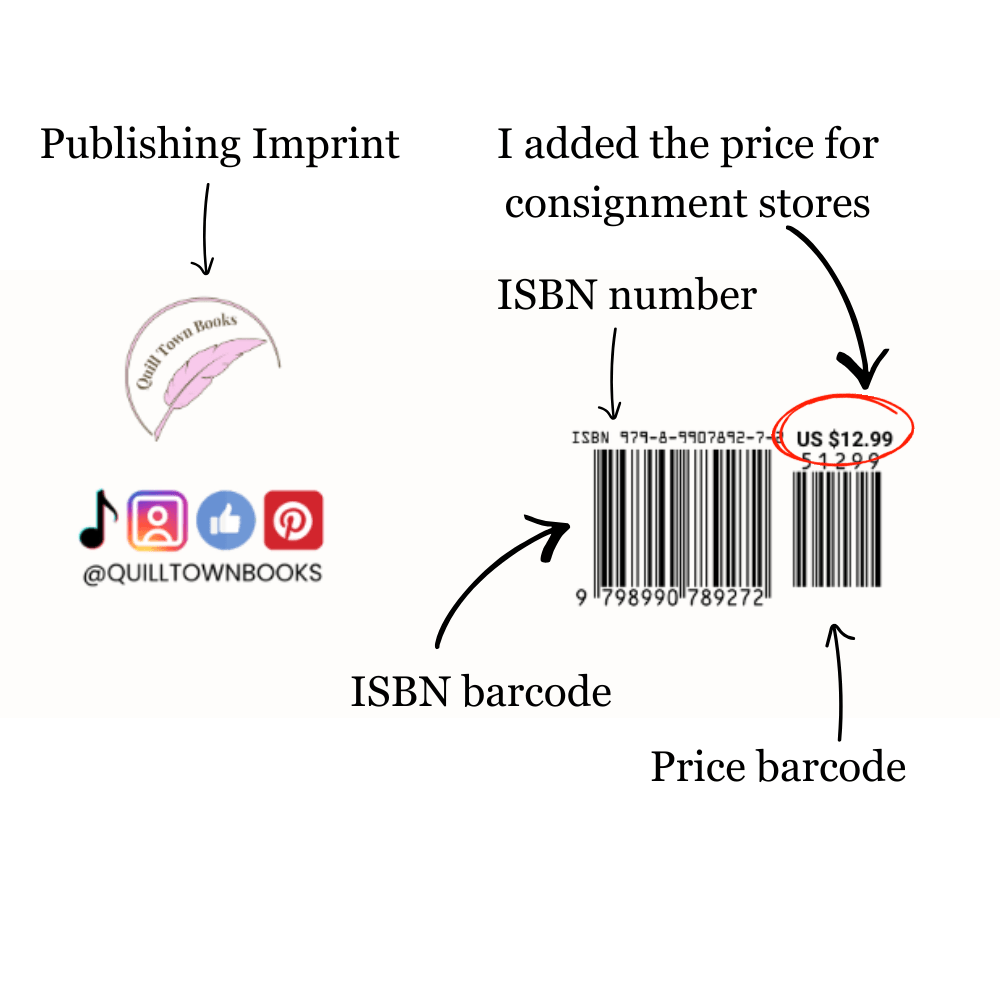
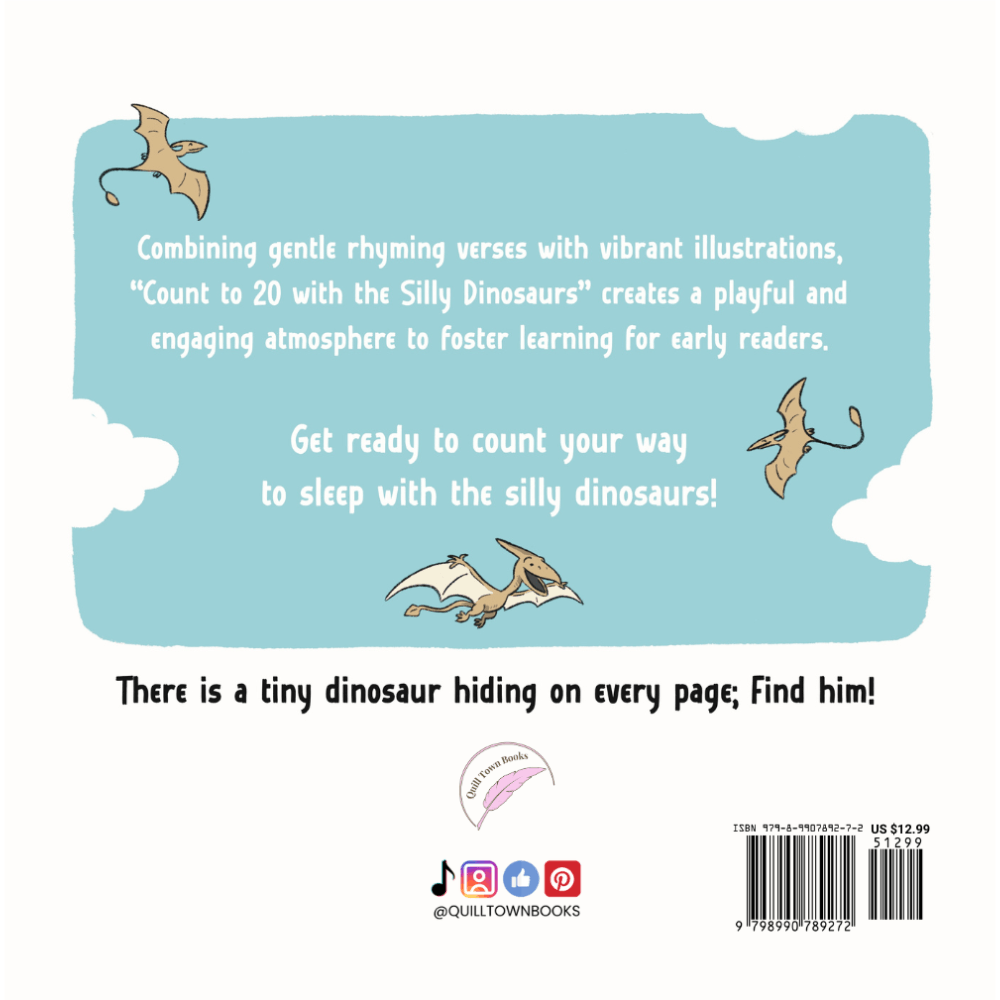
For example, I publish my books under my imprint Quill Town Books, LLC. That name shows up in book databases, and my logo is the physical imprint you see on the book. It helps keep all of my books connected under one recognizable brand.
This matters if you want to look professional, work with libraries, or grow in the long term.
2. One ISBN Per Format Gives You Flexibility.
Owning your ISBNs means you can publish the same format on multiple platforms without problems.
For example:
One paperback ISBN can be used on Amazon, IngramSpark, and other retailers.
You are not locked into one platform’s system.
Free ISBNs are platform-specific. If you later want wider distribution, you may have to start over with a new ISBN.
3. ISBNs Cannot Be Reused or Changed Later
This part is important, so I’ll say it plainly.
👉 Once an ISBN is assigned and published, it cannot be reused, transferred, or changed.
You cannot:
Move it to a different format
Reassign it to a new edition
Take it with you if it belongs to a platform
If you publish a paperback with a free ISBN and later want to publish the same paperback under your own imprint, you will need a new ISBN. Planning ahead saves money and frustration.
4. Revised Editions Need a New ISBN
If you make major changes to a book, you need a new ISBN.
Examples of changes that require a new ISBN:
A revised or updated edition
Significant content changes
A new trim size or binding
A major title or subtitle change
Small typo fixes usually do not require a new ISBN. But anything that changes the book in a meaningful way does.
5. Kindle Ebooks Are a Special Case
Here’s something many authors don’t realize.
👉 Amazon does NOT require an ISBN for Kindle ebooks.
Amazon assigns its own identifier called an ASIN. That means:
You can publish a Kindle ebook without buying an ISBN.
ISBNs are much more important for print books.
Other retailers may allow ISBNs for ebooks, but they’re often optional. This is one reason some authors skip ISBNs for ebooks but still buy them for print.
Feeling overwhelmed by ISBNs and barcodes?
Download this free one-page guide to understand what you need before publishing your book.
When a Free ISBN Might Be Enough
If your plan is:
One format
One platform
No plans to expand later
For example, a coloring book sold only on Amazon, a free ISBN might be fine.
Just know that it limits your options later. I always encourage authors to think a few steps ahead, even if growth feels far off right now.
Where to Buy ISBNs in the United States
In the U.S., ISBNs are purchased through Bowker, the official ISBN agency.
You can buy:
A single ISBN
Or a bundle
The more you buy, the lower the cost per ISBN. If you plan to publish more than one book or format, buying in bulk usually makes sense.
Quick ISBN FAQ for Authors
Do ISBNs give me copyright protection?
No. Copyright exists as soon as you create your work. ISBNs are for identification and distribution only.
Do I need a barcode too?
Printed books usually need a barcode on the back cover. A barcode is created from your ISBN. Some printers include it; others do not.
Personally, I use a free barcode generator from Kindlepreneur. It’s easy to use and works well if you’re designing your own book covers and already own your ISBN. (Don't forget to fill in the price)
Do libraries care about ISBNs?
Yes. Libraries rely on ISBN data for ordering and cataloging. Author-owned ISBNs make this process smoother.
Are ISBNs country-specific?
Yes. U.S. authors buy ISBNs from Bowker. Other countries use different agencies, but the ISBN works internationally.
Can You Republish a Book With Your Own ISBN After Using an Amazon ISBN?
Yes. If you originally published a book on Amazon using a free Amazon ISBN, you can later republish the same book with your own ISBN.
However, Amazon treats this as a new edition of the book.
What You Must Do First
Before you republish with your own ISBN, you need to:
Unpublish the original edition that used the Amazon-assigned ISBN
Make sure that the ISBN is no longer active for sale
You cannot have two ISBNs attached to the same active print edition on Amazon at the same time.
What Changes When You Republish
When you upload the book again with your own ISBN:
Amazon considers it a new edition
You enter the new ISBN during setup
Your publisher name can now be your own imprint
The old Amazon ISBN cannot be reused or transferred
The title and content can stay the same, but the ISBN and edition record change.
What Does Not Change
Your book title can stay the same
Your author name stays the same
Your content can stay the same, as long as it’s not misleading
Your sales history and reviews usually do not transfer automatically
That last point matters. Reviews are tied to the original edition and may not carry over.
Do You Lose Book Reviews If You Switch From an Amazon ISBN?
In most cases, yes. When you unpublish a paperback that used an Amazon-assigned ISBN and republish it with your own ISBN, Amazon treats the new version as a new edition. Reviews are tied to the old edition and do not automatically transfer.
Final Thoughts From Me to You
ISBNs aren’t exciting, but they matter. Buying your own ISBNs gives you control, flexibility, and a stronger publishing foundation. You don’t have to do everything at once, but understanding how ISBNs work helps you make choices you won’t regret later.
If you ever feel unsure, you’re not alone. I’ve been there, too.
References
Amazon policies and ISBN handling can change. Authors should always review the current Amazon KDP guidelines before republishing or changing ISBNs.
Amazon KDP. (n.d.). Do I need an ISBN for my book?
https://kdp.amazon.com/en_US/help/topic/G201834170
Amazon KDP. (n.d.). Editions and ISBN changes.
https://kdp.amazon.com/en_US/help/topic/G200634390
Amazon KDP Community. (n.d.). What happens to reviews when changing ISBNs?
https://www.kdpcommunity.com/s/question/0D5f400001rGsJkCAK
Bowker. (n.d.). Buy an ISBN in the United States.
https://www.myidentifiers.com/identify-protect-your-book/isbn/buy-isbn
International ISBN Agency. (n.d.). General ISBN FAQs.
https://www.isbn.org/faqs_general_questions
International ISBN Agency. (n.d.). Formats, reprints, and editions.
https://www.isbn.org/faqs_formats_reprints_editions
IngramSpark. (2020). ISBN facts for self-publishers.
https://www.ingramspark.com/blog/isbn-facts-for-self-publishers
MyIdentifiers. (n.d.). Ownership and re-usage of ISBNs.
https://www.myidentifiers.com/faq/ownership-and-reusage
U.S. Copyright Office. (n.d.). What is copyright?
https://www.copyright.gov/what-is-copyright/



I may earn a small commission from affiliate links at no extra cost to you.
Your support helps me bring more free resources to parents, educators, and authors.